
Tensions and Triumphs: Veterans React to Army Parade for Trump’s Birthday
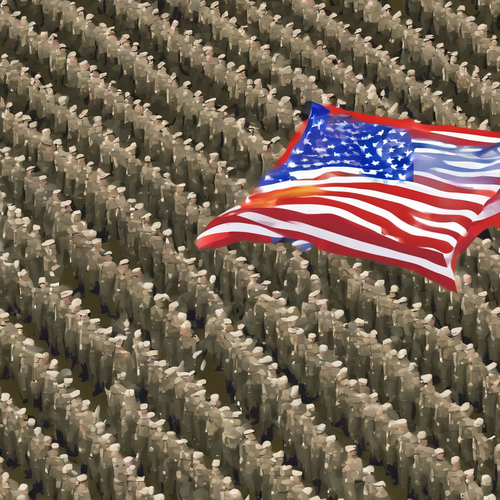
As the sun sets on Washington D.C., military bands will harmonize with the echoes of Old Glory’s rustling, all under the banner of a contentious celebration: the Army parade commemorating President Donald Trump’s birthday. While some veterans are gearing up with fervor, waving flags and reuniting with old comrades, others voice their concerns over the symbolism and political undertones of such an event. The call to honor a day intertwining service and politics raises questions about unity in remembrance and honor. 🇺🇸
This division within the veteran community highlights the complex relationship between military service and political expression. In a nation where patriotism often manifests through celebrations of military heroes, the implications of tying such displays to the whims of political figures can ignite heated debate.
The Voices of Service: Differing Perspectives
Veterans from different branches and eras are looking at the parade through vastly different lenses:
- Proud Commemoration: For some veterans, the parade is a chance to celebrate not just the president but also the enduring spirit of military service. “This is about honoring our country and its leaders, regardless of personal politics,” remarks retired Army Sgt. First Class Ryan O’Reilly, who views the event as an essential moment to show unity. 🎖️
- Political Protest: Conversely, voices like that of former Navy Officer Jessica Martinez express deep disdain for the juxtaposition of politics and military celebrations: “Our duty is to serve the nation, not a singular leader. This feels like an exploitation of our sacrifice for political gain,” she argues, illustrating a growing sentiment among those wary of political overreach into military affairs.
Historical Context: Parades and Patriotism
Parades featuring the military are not new; they have often served as grand displays of national pride and remembrance. From the majestic parades on July Fourth to the honorific displays on Veterans Day, these events historically aim to unite citizens under the revered banner of service. Yet, the framing of this particular parade prompts unease as it aligns with the personality-driven politics of the current administration.
“Parades are meant to foster unity, but intertwining them with a sitting president can polarize public sentiment,” states Dr. Mark Westbrook, a historian at the National War College. “It raises the question: Is this an event celebrating the military or the man?”
Attendance and Sentiment: A Mixed Response
Preliminary reports indicate varied attendance expected at the parade, with some military units openly inviting families and friends, eager to participate regardless of the political backdrop. Yet, there are murmurs of discontent among active-duty members who feel pressured to attend. According to a recent poll conducted among veterans:
- 63% believe that the military should remain apolitical.
- 37% see it as an opportunity for camaraderie, regardless of political affiliations.
Building Bridges: The Path Forward
While many veterans grapple with these conflicting feelings, substantive conversations are needed, addressing both narratives — one valuing honor while remaining conscious of political entanglements. “If we approach this with understanding, we can find ways to celebrate our service without sacrificing our integrity,” emphasizes Air Force veteran Tim Hughes. 🤝
What’s Next for Veteran Activities?
- Engagement in Discussions: Hosting community discussions for veterans to express their views and concerns regarding political representation in military events.
- Advocacy for Neutral Commemoration: Promoting parades and events that prioritize soldiers while minimizing political connotation.
- Building Community Bonds: Encouraging cross-generational dialogue to share experiences and foster inclusivity among veterans of all backgrounds.
An Uncertain Future
The Army parade held on President Trump’s birthday may be a moment for some to celebrate, while for others, it may underscore a rift within the veteran community. As the nation looks on, the juxtaposition of military honor against the backdrop of political allegiance raises a critical question: how can the spirit of service transcend partisanship? In this divided moment, reconciliation and unity may yet be the parade’s most poignant message. 🕊️