
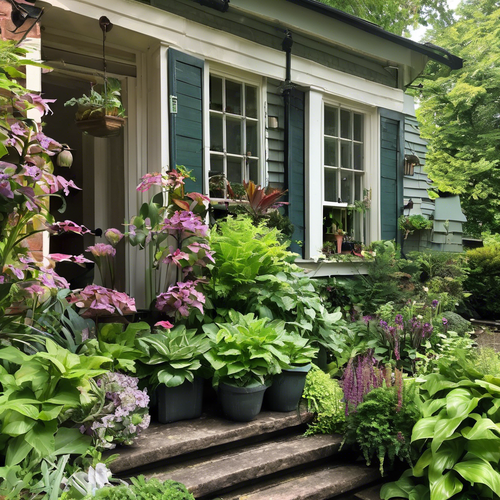
Shady Gardens Require Strategic Plant Choices: Cultivating Green Beauty in Low Light
For many gardening enthusiasts, the idea of a lush, blooming garden conjures images of sun-drenched patches of paradise. However, for those with shaded corners in their yards, the dream can often feel out of reach. Fear not, for creating a vibrant shady garden is not only achievable when you make strategic plant choices, but it can also be a delightful and rewarding challenge. 🌳✨
The Allure of Shady Spaces
Shady areas in gardens arise from various sources: towering trees, north-facing walls, or structures that block sunlight. These spaces might seem like horticultural dead zones, but they can thrive with the right selection of plants that actually prefer less sun. According to the American Horticultural Society, about 70% of garden enthusiasts encounter shaded areas in their yards, making understanding shade gardening more essential than ever.
Understanding Shade: Types and Impacts
Before diving into plant selections, it’s crucial to identify the type of shade your garden experiences:
- Full Shade: Areas that receive less than 3 hours of indirect sunlight daily. Often found under dense tree canopies.
- Partial Shade: Spaces receiving 3 to 6 hours of filtered sunlight, commonly found near the edges of trees or structures.
- Dappled Shade: Areas that receive varying light patterns due to branches or leaves moving, ideal for more versatile planting.
Choosing the Right Plants for Shady Gardens 🌿
Strategic plant choices are the backbone of a successful shady garden. Here are some top contenders that thrive in low light:
- Hostas: Renowned for their large, attractive leaves available in an array of colors and sizes, hostas are a garden staple that provide visual interest throughout the season.
- Ferns: With a variety of species adapted to shade, ferns impart a lush, wild feel to any shaded space. Consider planting Lady Ferns or Japanese Painted Ferns for textural diversity.
- Astilbes: Producing feathery plumes of colorful flowers in late spring and early summer, astilbes thrive in moist, well-drained soil and are perfect for adding vertical interest.
- Bleeding Heart (Dicentra): This perennial is famous for its heart-shaped pink blooms in spring, creating a romantic atmosphere in shady areas.
- Japanese Maple: For those looking to add height, these small trees offer stunning foliage that ranges from green to vibrant red, providing a stark contrast in shaded landscapes.
Create Layers and Textures
Incorporating various heights and textures in a shady garden can create visual dynamics that draw the eye. Use taller plants like foxgloves or Japanese maples at the back, medium-height astilbes in the middle, and low-growing groundcovers like creeping phlox or sweet woodruff at the front. Layering adds depth to your garden, creating a lush, multi-dimensional effect.
“The secret to successfully planting in shaded areas is not just about choosing shade-tolerant plants, but also about considering the interplay of light and moisture,” says gardening expert Sarah Jennings. “Effectively utilizing the natural contours and features of your garden can transform a shaded area into a stunning oasis.” 🌼
Maintenance for Shady Gardens
While shade gardens are often more forgiving than full-sun gardens, they still require thoughtful care:
- Watering: Shady gardens may retain moisture longer; however, it’s essential to monitor soil health, as poor drainage can lead to root rot.
- Soil Quality: Enhancing the soil with organic matter can improve drainage and nutrient availability, promoting healthier plant growth.
- Fertilizing: Using a balanced fertilizer in early spring can boost growth in shade-loving plants, giving them a robust start for the growing season.
- Pruning: Regular trimming of dead or overgrown branches can improve light access to your plants, allowing them to thrive better.
The Aesthetic Appeal: Adding Accents 🌸
Complement the beauty of shade-loving plants with decorative elements like stone pathways, trellises, or garden art. These accents can introduce a touch of whimsy and personality to your shady retreat, enhancing your outdoor experience.
Gardening with Purpose ⚒️
Creating a lush garden in shaded areas is not just about aesthetics but also about nurturing biodiversity. By incorporating native plants—which are often better adapted to your local climate and soil conditions—you can support local wildlife, including pollinators like bees and butterflies, that rely on diverse habitats.
Conclusion: Embracing the Shadows 🌞
Shady gardens need not be an afterthought. With intentional planning and strategic plant choices, these spaces can turn into vibrant sanctuaries overflowing with life and color. By understanding the unique characteristics of your shaded areas and selecting the right plants, you will cultivate a garden that thrives in low light, enhances your outdoor space, and offers solace and beauty all year round.